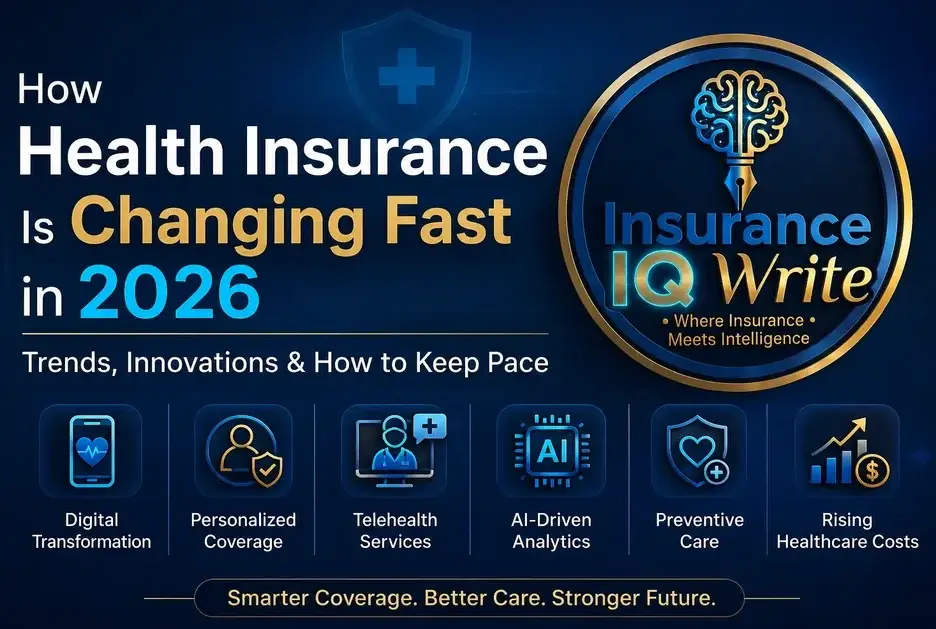
Discover how health insurance is changing fast in 2026 with smarter digital coverage, AI-driven claims, and personalized healthcare protection.
How Health Insurance Is Changing Fast in 2026: Trends, Innovations & How to Keep Pace?
Health insurance is changing fast in 2026 and for the coming years. All health insurance stakeholders need to understand all aspects of health insurance.
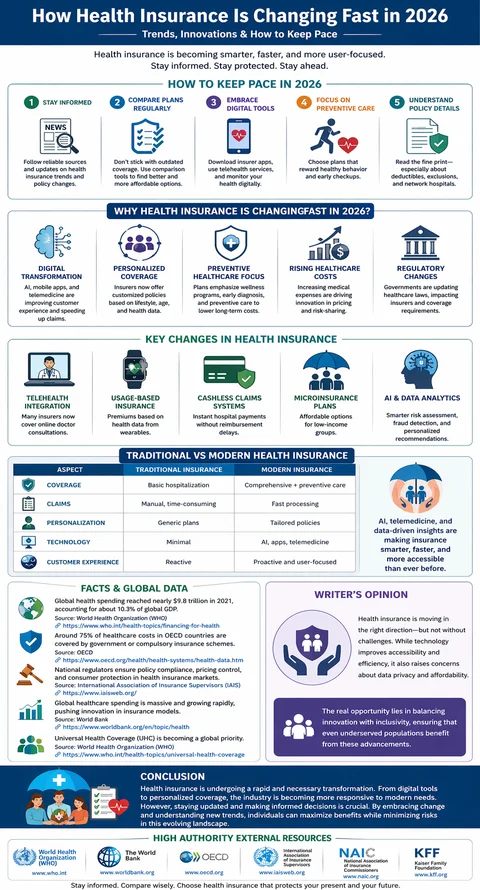
1. Stay Informed
Follow reliable sources and updates on health insurance trends and policy changes.
2. Compare Plans Regularly
Don’t stick with outdated coverage. Use comparison tools to find better and more affordable options.
3. Embrace Digital Tools
Download insurer apps, use telehealth services, and monitor your health digitally.
4. Focus on Preventive Care
Choose plans that reward healthy behavior and early checkups.
5. Understand Policy Details
Read the fine print—especially about deductibles, exclusions, and network hospitals.
How Health Insurance is Changing Fast In 2026?
How Health Insurance Is Changing Fast in 2026 is reshaping how people access care, manage costs, and choose coverage in a rapidly evolving world.From AI-driven policies to telemedicine and personalized plans, the industry is becoming smarter, faster, and more user-focused than ever before.
If you want to stay ahead, understanding these changes now can help you make better financial and healthcare decisions.
Definition:Future of Health Insurance
Future Health insurance transformation refers to the rapid evolution of policies, technologies, pricing models, and coverage systems within the healthcare insurance industry.
As the future of health insurance continues to evolve, readers must adapt to the ongoing digital healthcare transformation shaping the industry. Modern consumers are no longer relying solely on traditional policies—they are actively exploring how to choose the right insurance policy that aligns with their lifestyle and financial goals.
These changes are driven by technology, regulation, consumer expectations, and global health challenges.
Why Health Insurance Is Changing Fast In 2026?
Health insurance is no longer limited to paying hospital bills after illness or emergencies. It has become a technology-driven and customer-focused system designed to improve healthcare access, reduce costs, and encourage preventive care.
Several major factors are driving this transformation
1. Digital Transformation
Insurance companies now rely heavily on artificial intelligence, mobile applications, telemedicine, and cloud-based systems to improve customer experience.
Key developments include:
- AI-powered claim approvals
- Digital policy management
- Online doctor consultations
- Mobile health tracking apps
- Faster customer support systems
These technologies make healthcare services quicker, smarter, and more accessible.
2. Personalized Coverage
Traditional “one-size-fits-all” policies are gradually disappearing. Modern insurers use health data, lifestyle habits, age, and medical history to create customized insurance plans.
Examples include:
- Fitness-based premium discounts
- Family-specific healthcare plans
- Coverage tailored to chronic conditions
- Wellness reward programs
Personalized plans help customers pay only for the coverage they truly need.
3. Preventive Healthcare Focus
Insurance providers increasingly encourage preventive healthcare instead of waiting for serious illness to occur.
Modern plans now include:
- Annual health checkups
- Vaccination coverage
- Mental health support
- Nutrition counseling
- Wellness monitoring programs
Preventive care reduces long-term healthcare costs and improves overall public health.
4. Rising Healthcare Costs
Medical expenses continue to increase globally. Hospitals, medicines, surgeries, and specialist care are becoming more expensive each year.
To manage these rising costs, insurers are introducing:
- Flexible premium structures
- Shared-risk models
- Digital healthcare solutions
- Cost-efficient telehealth services
Consumers must compare plans carefully to maintain affordable coverage.
5. Regulatory Changes
Governments around the world are updating healthcare laws and insurance regulations to improve consumer protection and healthcare access.
These changes affect:
- Minimum coverage requirements
- Data privacy rules
- Insurance pricing standards
- Telemedicine regulations
- Universal healthcare initiatives
Regulatory reforms are reshaping how insurers operate in 2026.
Change in Health Insurance
How health insurance is changing fast in the modern world can be understood with the following examples
- Telehealth Integration: Many insurers now cover online doctor consultations.
- Usage-Based Insurance: Premiums based on health data from wearables.
- Cashless Claims Systems: Instant hospital payments without reimbursement delays
- . Microinsurance Plans: Affordable options for low-income groups.
Major Trends Reshaping Health Insurance
Telehealth Integration
Many insurance companies now fully cover virtual doctor consultations. Patients can receive medical advice from home using smartphones or laptops.
Benefits include:
- Faster consultations
- Reduced travel costs
- Improved rural healthcare access
- Greater convenience
AI-Driven Insurance Systems
Artificial intelligence is revolutionizing health insurance through:
- Automated claims processing
- Fraud detection
- Predictive healthcare analytics
- Personalized recommendations
AI improves efficiency and reduces delays for customers.
Usage-Based Insurance
Some insurers now calculate premiums using data from wearable devices and fitness trackers.
Healthy lifestyle behaviors such as exercise, sleep quality, and heart-rate monitoring may help customers receive lower premiums.
Cashless Claim Systems
Modern hospitals and insurers increasingly offer cashless treatments where patients do not need to pay upfront medical bills.
This system reduces reimbursement delays and financial stress during emergencies.
Microinsurance Plans
Affordable microinsurance plans are expanding access to healthcare for low-income individuals and underserved communities.
These low-cost policies typically cover:
- Basic hospitalization
- Emergency care
- Primary healthcare services
Traditional vs Modern Health Insurance
| Aspect | Traditional Insurance | Modern Insurance |
|---|---|---|
| Coverage | Basic hospitalization | Comprehensive and preventive care |
| Claims Process | Manual and slow | AI-powered fast processing |
| Personalization | Generic policies | Customized plans |
| Technology | Limited use | Apps, AI, telemedicine |
| Customer Experience | Reactive support | Proactive healthcare management |
| Healthcare Access | Physical hospital visits | Digital and virtual care |
One of the most noticeable insurance innovation trends is the rise of personalized health coverage, where policies are tailored using real-time data and user behavior. This shift is largely powered by AI in the insurance industry, enabling providers to offer smarter recommendations and faster claim processing. To fully benefit from these changes, individuals should also explore digital health tools and insurance apps, which make policy management and healthcare access more efficient than ever.
Additionally, the growing demand for telemedicine insurance benefits has transformed how patients interact with healthcare providers. Virtual consultations are now a standard feature in many preventive healthcare plans, helping users address health concerns early and reduce long-term costs. Understanding the benefits of preventive healthcare coverage can significantly improve both financial stability and overall well-being.
At the same time, having clarity on financial aspects remains essential. Many users still struggle with understanding insurance premiums and deductibles, which directly impact affordability and coverage value. This is especially important when comparing options like the best health insurance plans for families, where balancing cost and comprehensive care is crucial.
Facts Identify Health Insurance Is Changing Fast
The World Health Organization reports that global health spending has reached nearly $9.8 trillion since 2021, accounting for about 10.3% of global GDP
Around 75% of healthcare costs in OECD countries are covered by government or compulsory insurance schemes.It seems that the government is involved in the health insurance system.
National regulators ensure policy compliance, pricing control, and consumer protection in health insurance markets.
Global healthcare spending is massive and growing rapidly, pushing innovation in insurance models.
Universal Health Coverage (UHC) is becoming a global priority.
Governments and insurers cover the majority of costs in developed economies, but out-of-pocket expenses remain high in developing regions.
Data-driven insights from organizations like WHO, World Bank, and OECD are shaping the future of health insurance policies worldwide.
How to Keep Pace With Health Insurance Changes
1. Stay Informed
Follow reliable healthcare and insurance news sources to stay updated on industry changes, regulations, and policy innovations.
2. Compare Plans Regularly
Do not rely on outdated insurance coverage. Compare multiple policies to find better benefits, lower premiums, and improved healthcare services.
3. Embrace Digital Tools
Use insurer mobile apps, telehealth platforms, and digital healthcare services to manage your health more efficiently.
4. Focus on Preventive Care
Choose insurance plans that encourage healthy behavior, regular screenings, and early diagnosis programs.
5. Understand Policy Details
Always review:
- Deductibles
- Waiting periods
- Exclusions
- Network hospitals
- Claim procedures
Reading the fine print helps avoid unexpected costs later.
Challenges Facing the Health Insurance Industry
Despite rapid innovation, several challenges remain:
Data Privacy Concerns
Digital healthcare systems collect sensitive personal health information. Strong cybersecurity and privacy protection are becoming increasingly important.
Affordability Issues
Advanced healthcare technology may improve services but can also increase premiums for some consumers.
Unequal Access
Rural and low-income populations may still struggle to access quality insurance coverage and digital healthcare services.
Balancing innovation with affordability and accessibility remains a key challenge for the future.
Writer’s Opinion : Health Insurance Is Changing Fast
Health insurance is moving in a positive direction by becoming more customer-focused, preventive, and technologically advanced. However, innovation must remain inclusive.
Technology should not only benefit high-income consumers but also improve healthcare access for underserved populations. Governments, insurers, and healthcare providers must work together to ensure affordable and fair healthcare protection for everyone.
Conclusion: Health Insurance Is Changing Fast
Health insurance is changing fast in 2026, driven by digital transformation, artificial intelligence, preventive healthcare, and personalized coverage systems.
Modern insurance is becoming smarter, faster, and more user-friendly. Individuals who stay informed, compare plans regularly, and adopt digital healthcare tools will be better prepared for the future.
As healthcare continues to evolve, understanding these trends can help consumers make smarter financial and healthcare decisions while maximizing insurance benefits
Frequently Asked Questions (FAQs)
Is telemedicine covered by health insurance in 2026?
Many modern health insurance plans now include telehealth services, allowing patients to consult doctors online for routine medical care.
How is AI changing health insurance?
AI helps insurers process claims faster, detect fraud, personalize coverage, and improve customer service.
What is personalized health insurance?
Personalized health insurance uses health data, lifestyle habits, and medical history to create customized coverage plans.
Why are health insurance costs increasing?
Healthcare costs are rising because of expensive medical treatments, advanced technologies, inflation, and growing healthcare demand.
How can consumers choose better health insurance plans?
Consumers should compare coverage, premiums, deductibles, network hospitals, and digital healthcare features before selecting a plan.
Will AI replace health insurance agents?
AI will improve automation and customer service, but human agents will still play an important role in providing personalized advice and handling complex insurance needs.
Are telehealth services covered by all insurers?
Not all insurers provide full telehealth coverage, but many modern health insurance plans now include virtual doctor consultations and digital healthcare services.
How can families reduce health insurance costs in 2026?
Families can lower healthcare costs by comparing plans regularly, choosing preventive care options, using in-network hospitals, and adopting wellness programs.
Does health insurance cover telemedicine in 2026?
Yes, many health insurance providers now cover telemedicine services, allowing patients to consult doctors online for routine and non-emergency healthcare.
What are the best health insurance plans for families?
The best family health insurance plans offer affordable premiums, comprehensive coverage, preventive care benefits, and access to a large network of hospitals and doctors.
Families should compare deductibles, coverage limits, and digital healthcare features before choosing a policy.
Author’s Bio
Shahzad Mukhtiar is the CEO and Content Writer at Insurance IQ Write and a graduate of the University of Wales. He writes about health insurance trends, Insur-Tech, and digital transformation in healthcare, focusing on how innovation, AI, and new technologies are reshaping the insurance industry in 2026.
LinkedIn Profile by Shahzad Mukhtiar